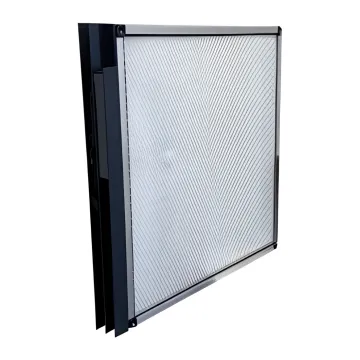
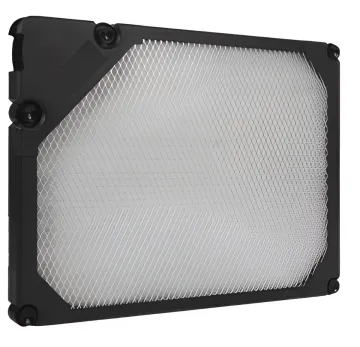
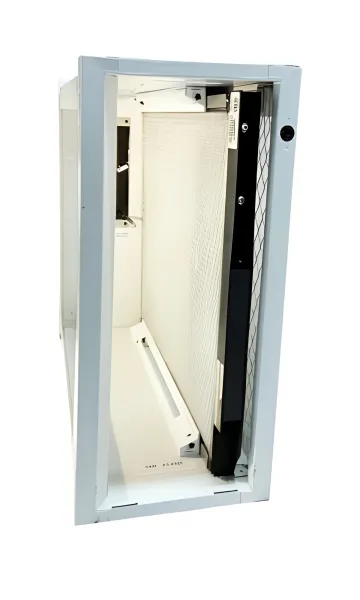
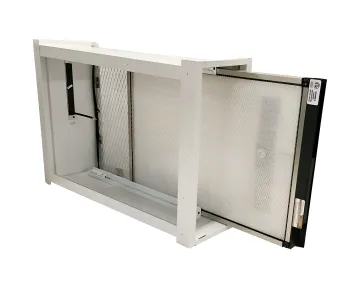
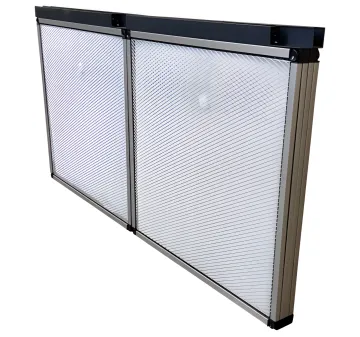
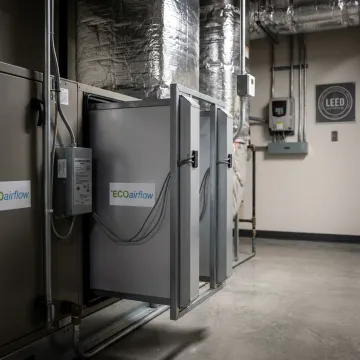
IAQ stands for Indoor Air Quality — a measure of the air conditions inside buildings relative to occupant health and comfort. It encompasses levels of airborne particles (PM2.5, PM0.1), biological contaminants like viruses and bacteria, gases such as radon, and chemical pollutants. Poor IAQ is linked to respiratory illness, allergies, and long-term health risks. High-performance air filters like ECOairflow's EPT-based systems are a primary tool for improving IAQ.
Is an IAQ polarized media filter effective?
Yes. Polarized media filters using Electronic Polarization Technology (EPT), such as ECOairflow's product line, are highly effective — capturing particles as small as 0.001 microns, including viruses, wildfire smoke, and radon daughter progeny. Independent lab testing shows ECOairflow's EPT filters capture 74.73% of PM0.1 ultra-fine particles, outperforming HEPA filters (49.19%) while maintaining significantly lower pressure drops.
What MERV rating do I need for my home or building?
Residential applications typically benefit from MERV 11–12 (ECOairflow Model 1000, 1500, or Dynamo 1" EAC). Commercial offices and schools generally require MERV 13–14 (Model 2300). Hospital operating rooms and high-acuity medical spaces require MERV 14A–16A per ASHRAE 170, which the M-Series Hybrid EAC fulfills with Appendix J certification.
Do ECOairflow IAQ air filters produce ozone?
No. All ECOairflow electronic air cleaners are Intertek ETL certified to the UL 2998 Zero Ozone Verification standard, meaning ozone emissions are below 0.0005 ppm (5 ppb) — well below the 0.005 ppm UL 867 regulatory threshold. They exceed FDA, EPA, NIOSH, CARB, and OSHA ozone emission standards, making them safe for all occupied spaces including homes with children, pets, and asthma sufferers.
How do ECOairflow IAQ filters compare to HEPA filters?
ECOairflow's EPT-based filters capture 74.73% of PM0.1 ultra-fine particles versus HEPA's 49.19% under controlled lab conditions — making them up to 50% more effective at the ultra-fine particle range most associated with viruses and wildfire smoke. They also operate at dramatically lower pressure drops (0.09–0.37 in.w.c.) compared to HEPA systems (0.6–1.2 in.w.g.), significantly reducing HVAC fan energy consumption.
How often do ECOairflow filter pads need to be replaced?
ECOairflow recommends replacing the replaceable glass-fiber pad every 3 months for residential units and every 3–6 months for commercial applications depending on particulate load. The permanent aluminum or metal housing is a one-time investment — only the low-cost pad requires periodic replacement, reducing lifetime costs significantly versus disposable pleated filters.
Can ECOairflow IAQ air filters be used in hospitals and healthcare facilities?
Yes. The M-Series Hybrid E.A.C. meets ASHRAE 170 and ASHRAE 241 requirements for hospital emergency rooms, operating rooms, and high-acuity procedural spaces, with MERV 14A and 16A Appendix J-certified configurations. It also delivers a documented 54% fan energy reduction versus traditional filter banks, making it a high-performance and energy-efficient solution for healthcare environments.
Can ECOairflow IAQ filters help with LEED or green building certifications?
Yes. ECOairflow's UL 2998 Zero Ozone certified filters, combined with their recyclable filter pads and ultra-low pressure drops, qualify for credits under LEED EQ, WELL Building, Passivehaus, and ILFI green building programs. Their energy-saving performance — with pressure drops as low as 0.09 in.w.c. — also supports sustainability goals by reducing annual HVAC operating costs by up to 15%.